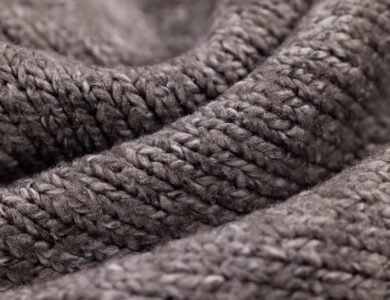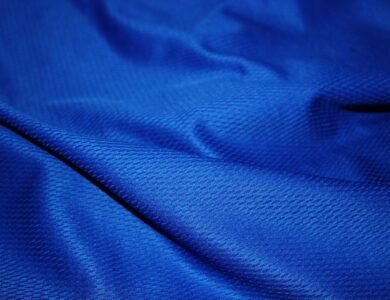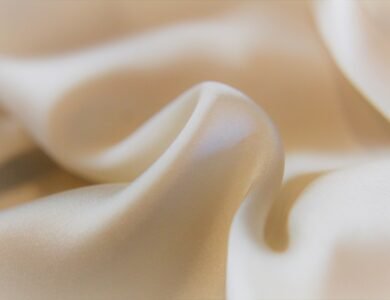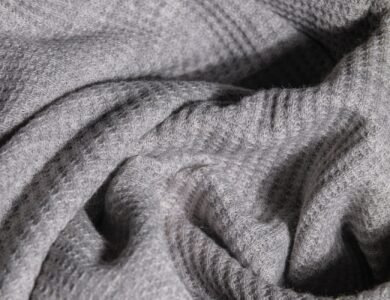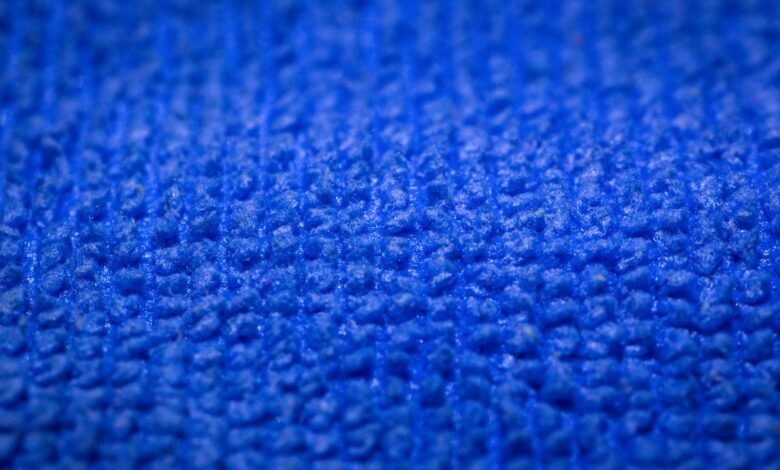
A fluid blouse that drapes beautifully on the hanger often fails to survive its first few washes because pills appear and the structure collapses. The culprit is rarely the brand or the price, but rather a measurable fabric property most shoppers overlook.
That property is fabric weight, measured in grams per square meter (GSM). For polyester microfiber blouses, GSM predicts how well the material maintains its drape and resists pilling through repeated wear and washing.
At the Fiber Level
- Core finding: GSM is the most predictive measurable quality signal for polyester microfiber woven blouses, because below 110 GSM, drape stability and pilling resistance degrade measurably within 10 wash cycles.
- What this article delivers: A side-by-side comparison of four price-tier blouses, a GSM measurement methodology you can replicate, and a fabric inspection checklist for use before purchase.
- What you will learn: How to distinguish a microfiber blouse that holds its shape through a work season from one that pills or loses drape within weeks.
Polyester microfiber woven blouses are typically 100% polyester in a plain or twill weave, priced from $25 to $180, and intended for regular office wear with machine washing at 30°C. This specific construction forms the category under analysis.
The GSM–Drape–Pilling Relationship in Woven Microfiber
Microfiber is a synthetic fiber finer than one denier, delivering signature softness and fluid drape through that extreme fineness. This same fineness creates vulnerability because fine fibers have more surface area per unit mass, increasing friction and the tendency for loose fibers to tangle into pills.
GSM measures the mass of fabric per unit area and correlates directly to how densely those fine fibers are packed. A denser fabric with a higher GSM leaves less room for fibers to migrate to the surface, which is the root mechanism of pilling resistance.
This relationship shapes every professional blouse on the market. Lighter-weight PD microfiber fabric (80–100 GSM) is less durable and more prone to pilling, snagging, and stretching, which is exactly why the GSM threshold matters so much.
Fiber recovery, which is the fabric’s ability to spring back after stretching, also improves with higher GSM because the tighter weave limits permanent deformation. Hold the blouse up to a light source before you buy, because if you see distinct light gaps between yarns, the GSM is likely below the stability threshold.
How GSM Affects Drape Behavior in Woven Microfiber
Drape is a physical property determined by the relationship between fiber weight and weave structure, rather than just an aesthetic preference. In woven microfiber, GSM directly governs how the fabric falls under gravity.
Lightweight microfiber under 100 GSM has less mass per unit area, producing a softer and more fluid drape. That fluidity comes at a cost since the fabric lacks the structural weight to resist wrinkling and shape distortion during wear.
Midweight microfiber between 100 and 150 GSM balances drape fluidity with enough mass to hold a pressed shape through a workday. Above 150 GSM, the drape becomes stiffer and more structured, making it appropriate for tailored silhouettes but potentially too heavy for a fluid blouse.
Heavier fabrics generally hold their shape more readily and resist wrinkling better, so the professional wear threshold falls where drape remains fluid yet dense enough to resist distortion. Front panels on sub-100 GSM blouses often start to sag after a few months because the low mass cannot fight gravity the way a denser weave can.
What 10 Wash Cycles at 30°C Reveal About Surface Integrity
Washing accelerates the degradation mechanisms that GSM predicts at the point of purchase. Each cycle at 30°C subjects the fabric to mechanical agitation that loosens surface fibers, which is the recommended temperature to limit heat-related fiber stress.
In low-GSM fabrics under 100 GSM, the loose fiber network lacks the density to anchor surface fibers, so they tangle into pills within just a few cycles. A 50D polyester microfiber fabric at 65 GSM can still achieve a 4‑5 pilling‑resistance grade in a Martindale test, but real-world washing pushes fibers to the surface far more aggressively than a dry abrasion test.
In midweight fabrics between 100 and 130 GSM, pilling onset typically appears between cycles 5 and 10, though the pills remain small and surface-level. Above 130 GSM, surface integrity often remains intact through 10 cycles because pills either do not form or stay below visual detection.
Run your hand flat over the fabric surface after washing to check for resistance or catching on raised fibers, which indicates pilling has begun. The 10-cycle mark represents roughly three months of weekly wear, making it the point where a professional blouse either proves its longevity or signals early replacement.
Price-Tier GSM Range: What $25, $50, $100, and $180 Buy You
Price does not guarantee a specific GSM, but clear patterns emerge across the market. The table below maps the typical range found in each tier, drawn from publicly available polyester microfiber specifications that span 80–300 GSM and common construction weights for woven blouses.

| Price Tier | Typical GSM Range (Woven Microfiber) | Drape Behavior | Pilling Onset (10 cycles at 30°C) |
|---|---|---|---|
| $25–$50 | 70–95 GSM | Fluid but limp; loses shape after washing | Visible pilling by cycle 3–5 |
| $50–$100 | 95–120 GSM | Balanced drape; holds pressed shape | Light pilling by cycle 5–8 |
| $100–$130 | 120–145 GSM | Structured fluid drape; resists wrinkling | Minimal to no visible pilling |
| $130–$180 | 145–180 GSM | Substantial drape with body; tailored silhouette | No visible pilling through 10 cycles |
The threshold is clear because woven polyester microfiber blouses at or above 110 GSM consistently maintain drape stability and resist visible pilling through 10 wash cycles. Below 100 GSM, the fabric lacks the density to anchor surface fibers, making pilling almost inevitable within the first five cycles.
Above 130 GSM, the fabric delivers professional-grade durability with no trade-off in wearability for most body types and climates.
Fabric Inspection Checklist — Polyester Microfiber Woven Blouses
- GSM check: Fold the fabric to see if it has body or collapses like tissue paper, because a collapse indicates the GSM is likely below 100.
- Light test: Hold the blouse up to light to check for distinct gaps between yarns, which mean the weave is too loose for professional wear.
- Surface feel: Run your palm flat over the fabric, since a smooth, even surface with no raised fibers indicates higher-quality microfiber.
- Care label: Confirm machine wash at 30°C is recommended, as a dry-clean-only specification often means the fabric lacks structural stability for regular washing.
- Stitch density: Check the side seam for tight, even stitching of approximately 10 to 12 stitches per inch, which indicates quality construction that supports the drape.
The softness trap
The most common mistake is equating softness with quality in polyester microfiber. Softness at the point of purchase is often produced by a temporary mechanical or chemical finish rather than actual fiber quality or fabric density.
Lower-density PD microfiber fabric may feel softer but is also less durable and more prone to pilling, so a blouse that feels luxurious on the hanger can pill within three washes if its GSM falls below the stability threshold.
The second mistake is ignoring the care label’s washing instructions, since a blouse labeled dry-clean only may use a finer fiber that cannot withstand machine agitation. This specification often signals that the fabric itself sits below the GSM threshold required for professional wear.
The third mistake is assuming that a higher price guarantees a higher GSM, even though price reflects brand positioning and marketing just as much as material quality. The only reliable signal is the physical measurement of the fabric’s weight and density when handled in the store.
The Care Decision That Extends or Shortens a Microfiber Blouse’s Life
The single most important care decision for a polyester microfiber blouse is washing temperature, because polyester is thermoplastic and repeated exposure to high heat accelerates fiber fatigue over time. Washing at 30°C preserves fiber integrity, while higher temperatures accelerate fiber degradation and pilling.
The second decision involves agitation, since using a gentle cycle and washing microfiber separately from abrasive fabrics reduces the mechanical action that loosens surface fibers. The third decision is drying, as high heat in a tumble dryer can melt or distort microfiber fibers and permanently alter the drape.

A blouse washed correctly at 30°C with low agitation and air-dried can maintain its drape and surface integrity through 10 cycles and beyond. This holds true regardless of the price tier, provided the initial GSM meets the structural threshold.
Washing above 40°C or tumble-drying on high heat can weaken and distort the fibers, causing irreversible shrinkage and surface degradation.
The Sourcing Verdict
GSM is the most predictive signal for drape stability and pilling resistance in woven polyester microfiber blouses. The light test quickly checks weave density, because if distinct gaps are visible when held to light, the GSM is too low.
A minimum of approximately 100 to 110 GSM is advisable for professional wear. Below this threshold, a blouse will likely lose its drape and develop visible pills within 10 wash cycles at 30°C.
Frequently Asked Questions
1. Does the GSM rating of a polyester microfiber blouse change after washing?
GSM is a fixed measurement of the fabric’s weight per area and does not change with washing. The fabric’s structural integrity can degrade over time, however, which affects how that weight performs in practice.
2. Can a blouse with a GSM below 100 still perform well if it has an anti-pill finish?
An anti-pill finish can reduce surface fiber tangling but cannot compensate for a loose weave that lacks physical density. The fabric will still lose drape and develop pills once the chemical finish wears off.
3. How do I measure GSM at home without a professional scale?
Cut a small 10cm by 10cm square, weigh it with a precision scale, and multiply by 100 to get an approximate GSM. Variations in seams and finishing can affect accuracy, so treat the result as a general guide.
4. Does the weave type (plain vs. twill) affect the GSM threshold for drape and pilling?
Twill weaves can feel denser at the same GSM due to the diagonal structure, but the threshold for stability remains around 100 to 110 GSM. A twill below 100 GSM still risks pilling because weave alone cannot offset low density.